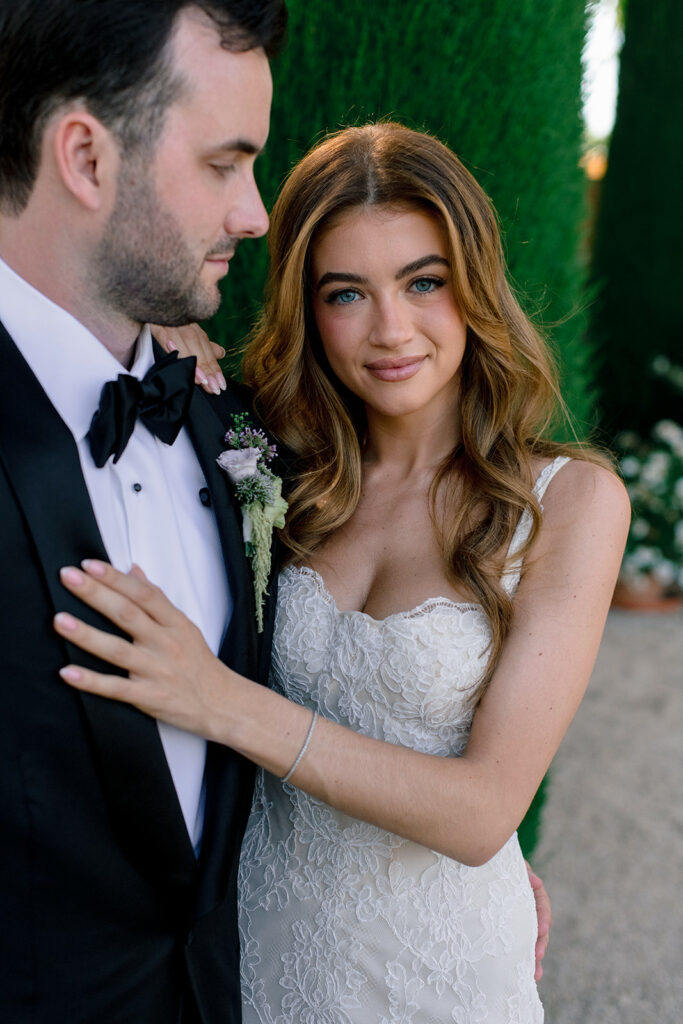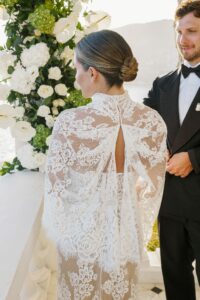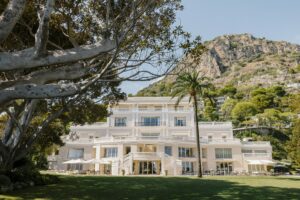

I still remember the exact moment this venue became the venue. We were walking the route guests would take from ceremony to cocktails, and I watched how the light hit the stone at that hour. Beautiful, yes, but what mattered more was what happened next: the flow made sense. No awkward pause. No “where do we go now?” energy. Just a natural pull forward. Later that night, one of the guests said, almost surprised: “This feels so easy… like everything is just happening.” That’s always the goal: not perfection on paper, but a weekend that feels effortless to live inside.
Quick answer (if you’re a couple in a hurry)
They chose this venue because it matched their guest experience priorities (flow, privacy, logistics, and atmosphere) and because it allowed us to solve the two things that usually break destination weekends: timing and comfort. Below is the exact decision framework we used, plus what we fixed behind the scenes so the weekend felt effortless for guests.
A note on privacy (and how to use this post)
This is a real planning scenario, written with identifying details removed. Use it as a blueprint: you can swap in your destination, guest count, and priorities and still apply the same decision logic.
The couple (snapshot)
- Planning from abroad: Yes
- Guest count: 253
- Celebration format: 3-day wedding weekend (pool party on day one, welcome cocktail on day two, big day on day three)
- Priorities (their words):
- memorable experience the couple attends around 15+ weddings a year, so they know what they don’t want,
- high-end hospitality,
- super festive,
- flawless over the days despite the huge production to deliver
- transportations perfection,
- and a design that feels effortless.
- Non-negotiables:
- Impeccable Transportations flows while having additional attention to some very VIPS amongst the guests
- Seamless logistics
- Being able to be present with their families and friends in each of their three days
The venue short list for main events (what we compared)
We narrowed the search to 3–5 venues that could realistically deliver their priorities.
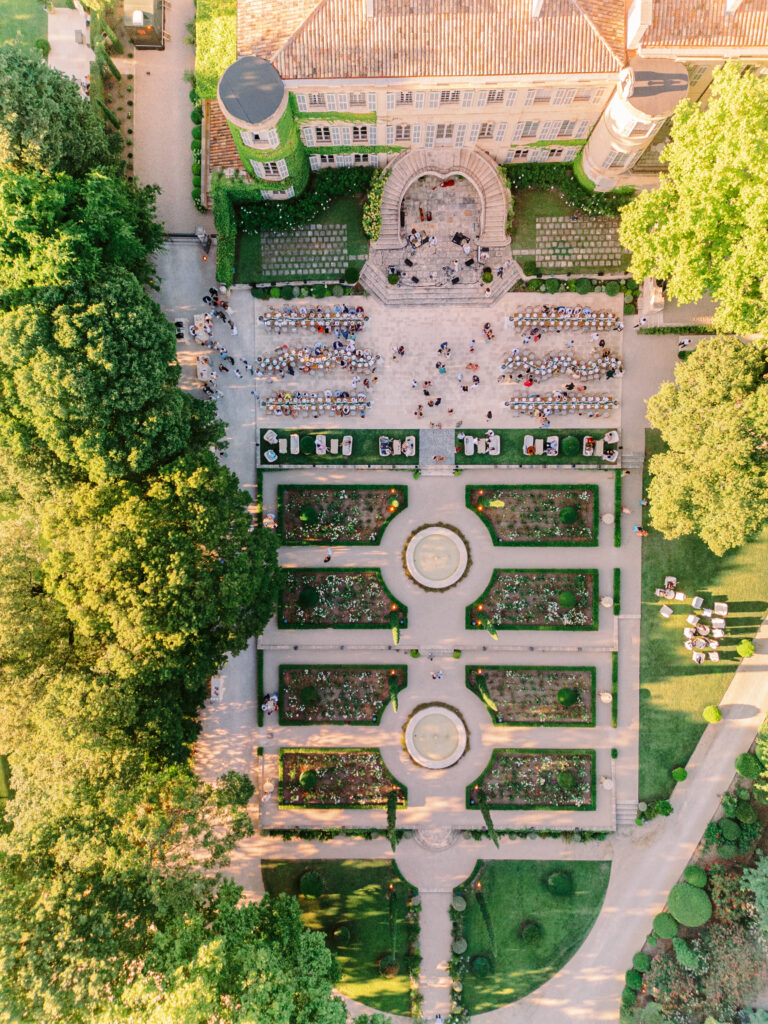
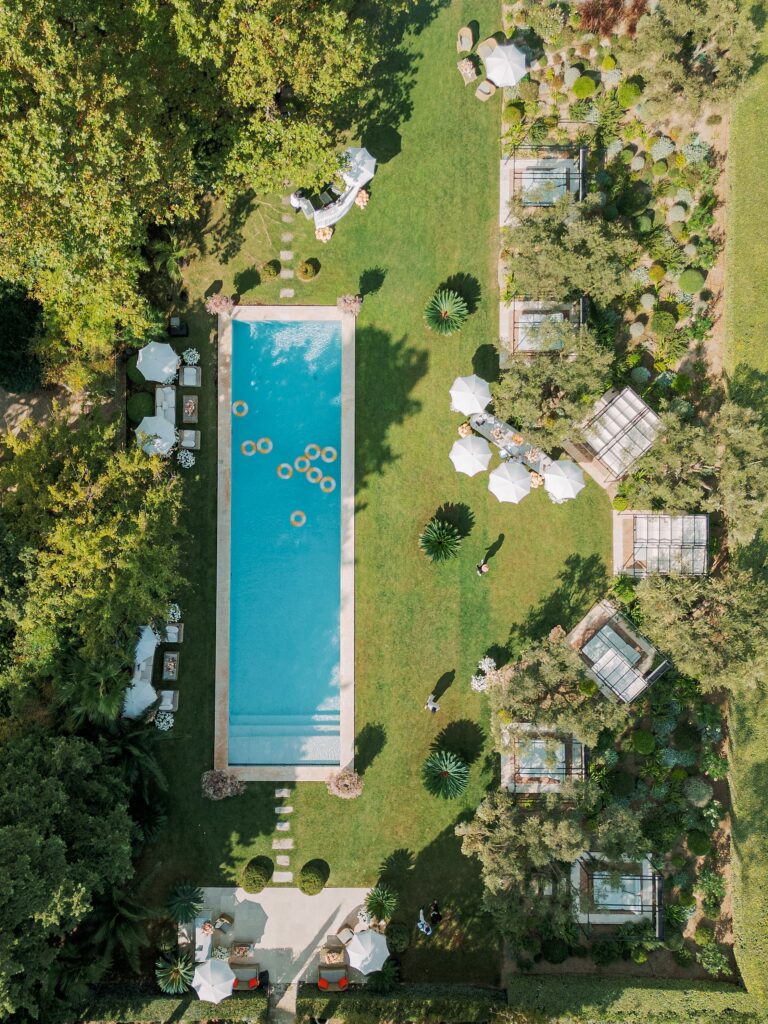
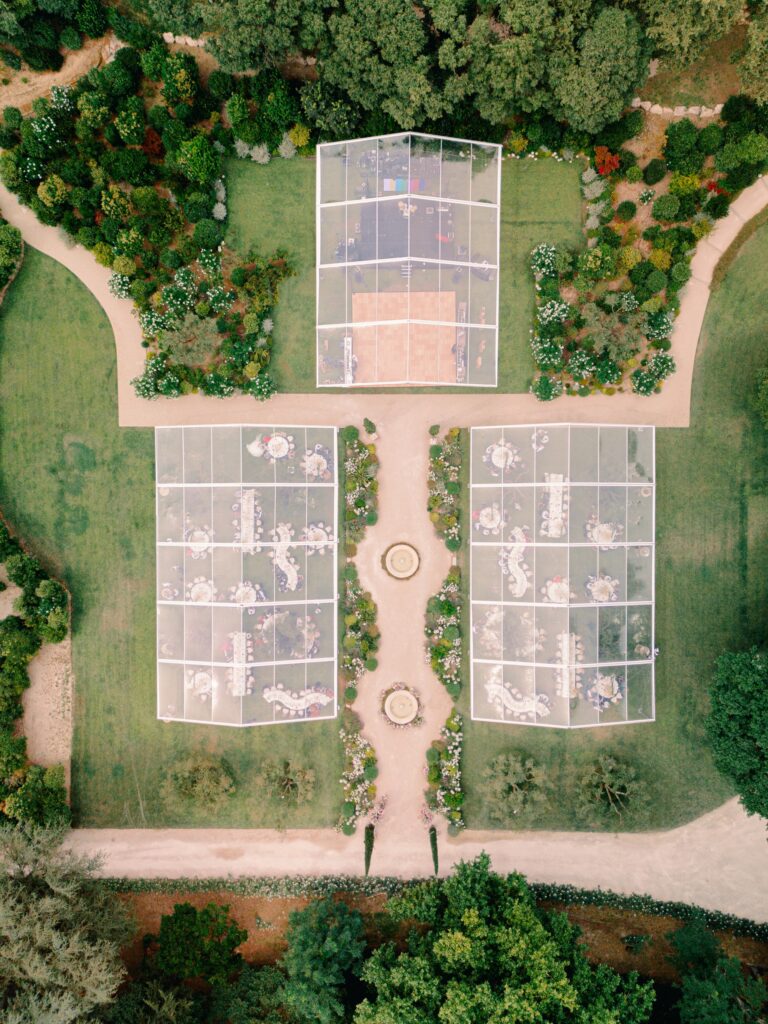
Venue A: Château d’Estoublon in Fontvieille
- Strength: Spaces and aesthetics
- Watch-out: “far” from a big city as they have more than a hundred of close friends as young as them and party late very often
- Best for: Multi-day celebrations at Château d’Estoublon. We planned more than 14 weddings there over the decades.
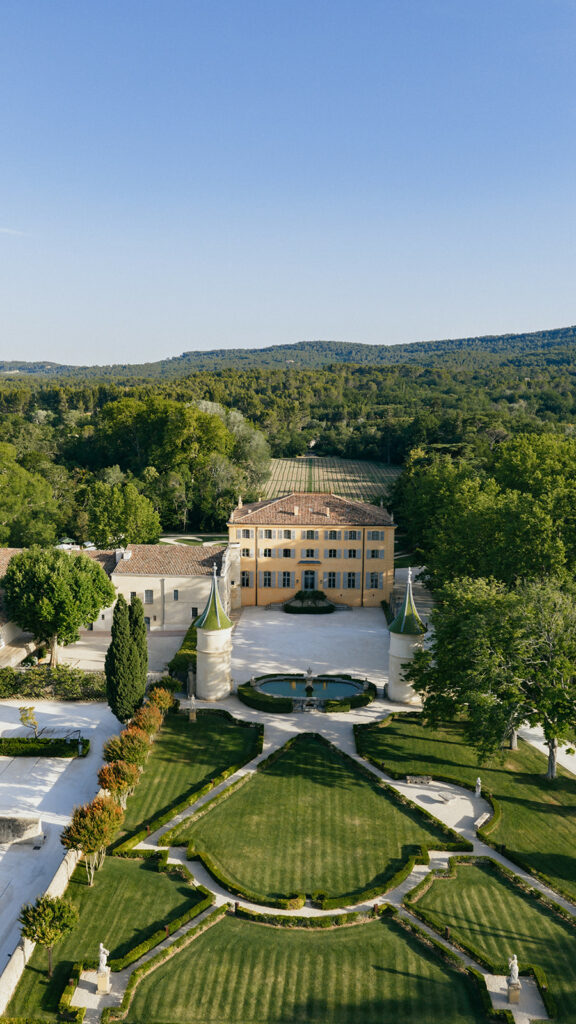
Venue B: Château de Fonscolombe in Le-Puy-Sainte-Réparade
- Strength: Capacity on site to sleep (50 rooms)
- Watch-out: A bit repetitive for the spaces to use and not well adapted for big productions
- Best for: more simple weddings than this one we were about to prepare.
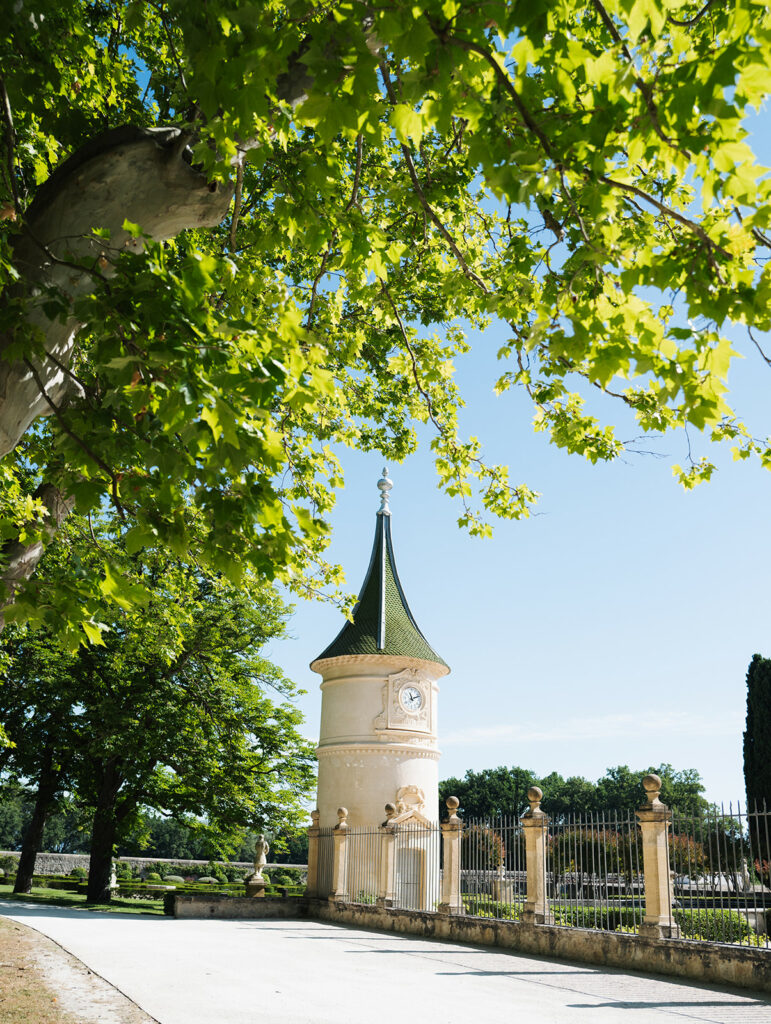
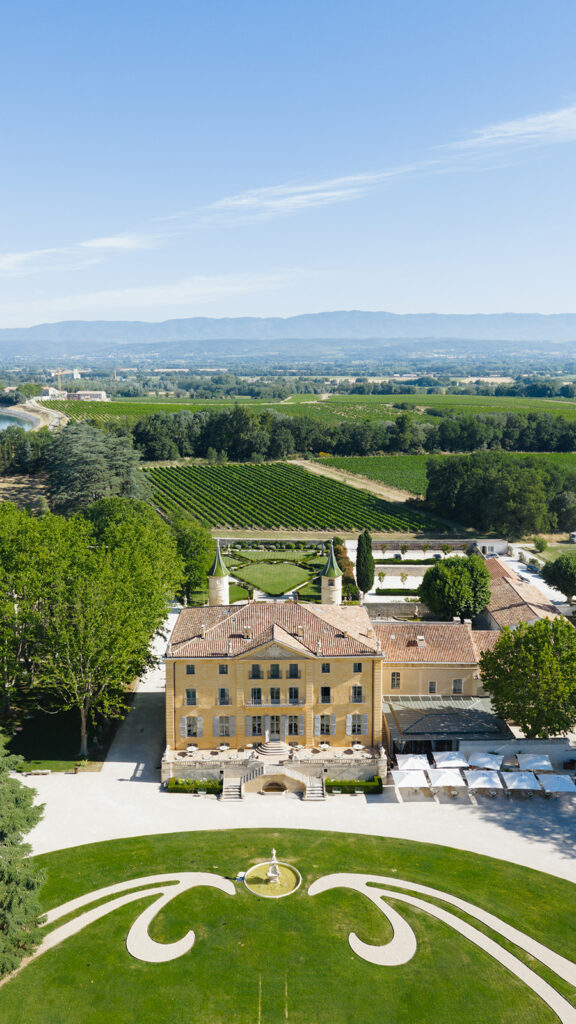
Venue C: (the one they chose for day two / Welcome Cocktail) Château de la Gaude in Les Pinchinats – Aix en Provence
- Strength: Aesthetics and close to the main city of Aix en Provence and a very flexible team on site
- Watch-out: Alcohols pricing were very high
- Best for: a pre-event
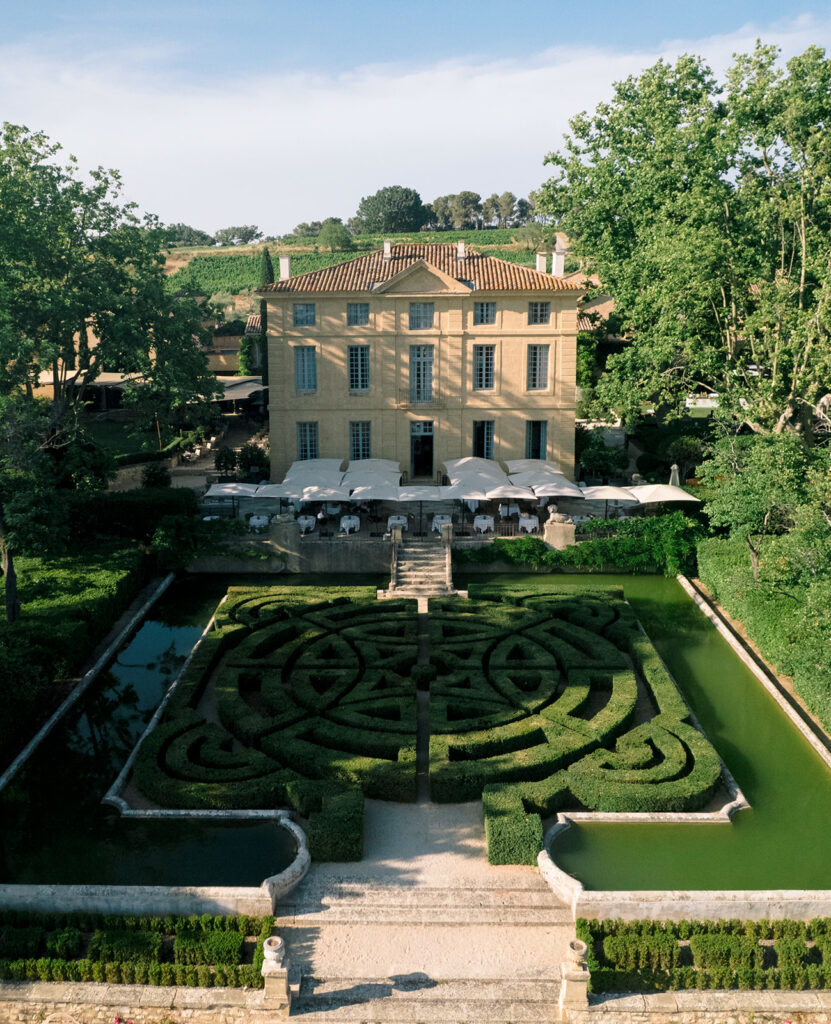
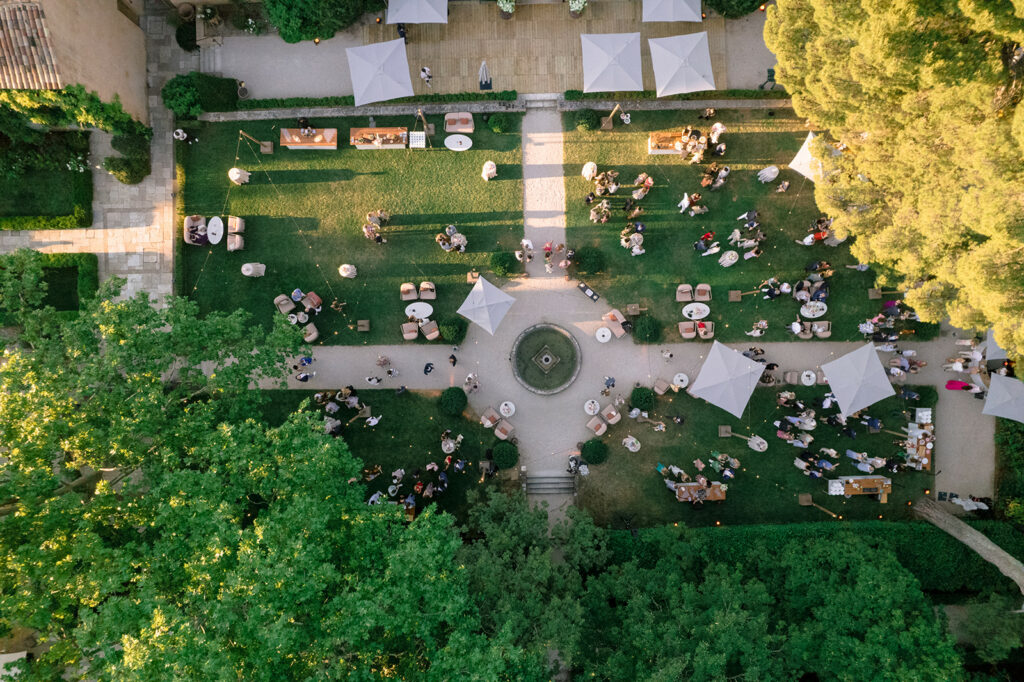
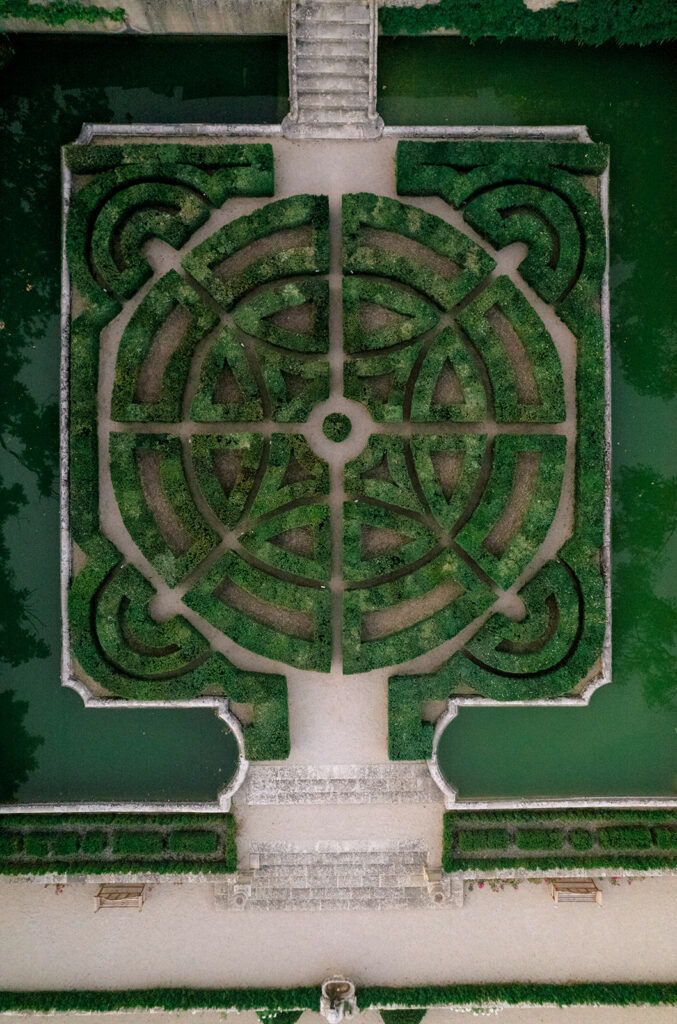
Venue D (the one they chose for Pool party on day one and Big Day on day three): Villa Baulieu in Rognes
- Strength: Beauty and scarcity + close to the main city of Aix en Provence + other high end hotels for the non-residents. Amazing and large pool area. Easy access for a possible big production. Perfect for a chuppah ceremony, with a yummy cocktail hour that will be easy to connect for the guests from one place to the other (it was the least important time of the three events), and a unique experience and a huge very huge space for the dinner, where our creativity won’t be limited by the space itself.
- Watch-out: Small capacity on site for rooms
- Best for: Super well adapted for big production events, great team on site with impeccable white-glove hospitality (and their chef for the residents is creative!)
Why they chose their two venues (the decision framework)
Most couples think they’re choosing a view. In reality, they’re choosing a system.
1) For the Big Day, it was a choice for Guest flow: ceremony → cocktails → dinner → party
They chose this venue because it allowed:
- A ceremony space that didn’t require a “reset” that kills momentum
- A cocktail hour that felt like a moment, not a waiting room
- A dinner layout that supported speeches, pacing, and energy
- A party space that could go late without logistical stress
For the Welcome Party, it was a choice for a local experience: food, music and local vibes
They chose this venue because it allowed:
- An authentic atmosphere to offer the guests a taste of local life
- The chosen area for the cocktail was perfect
- Their in-house menu was ideal, cost effective – We knew we will have to be cautious on alcohol rates, the only negative point budget wise.
- Free to create and work with any vendors we wanted. Precious.
- They know how to host events, so it would facilitate the process for us.
2) Privacy + comfort (the invisible luxury)
The two venues offered:
- A sense of “we’re in our own world”
- Controlled access points (important for privacy-conscious families)
- Enough space for guests to breathe—without feeling scattered
3) Logistics that don’t punish your guests
They chose the two venues because it reduced friction:
- Transfer times were manageable
- Arrival was simple (no confusing parking / long walks / bottlenecks)
- Vendor access was realistic (loading, power, timing)
4) Aesthetic that didn’t need over-designing
The two venues already had character. That meant we could focus on:
- Atmosphere (lighting, texture, sound)
- Transitions (how each part of the day feels)
- Personal details that actually matter
What we solved (behind the scenes)
This is the part couples rarely see—but they feel it all weekend.
Problem #1: The timeline was too optimistic
What was happening: Their initial vision had everything stacked too tightly (arrival, ceremony, photos, cocktails, dinner, speeches, first dance…). It looked fine on paper—until you add real walking times, guest movement, and vendor setup.
What we did:
- Built a working timeline early (so decisions had a reality check)
- Added true transition buffers (without killing energy)
- Protected the “high points” (entrance, speeches, first dance, party start)
Result: Guests never felt rushed, and the couple felt present instead of managed.
Problem #2: Guest comfort was at risk (heat / heels / hydration / seating)
What was happening: Heat Wave. At the end of June in Provence. We knew it would be hot. The ceremony location was beautiful, but comfort details were missing (and not because of the couple’s ideas or our of lack of knowledge. Quite the opposite).
What we did:
- Created a comfort plan: shade, water, fans, seating strategy + a lounge area for the most fragile area close to the ceremony so they could feel they still attended the ceremony.
- Adjusted timing to avoid the harshest conditions when possible
- Coordinated a discreet refresh moment before dinner, while having the cocktail hour in the completely shaded courtyard of the property.
Result: Guests stayed energized—and the celebration felt effortless.
Problem #3: Vendor timing collisions
What was happening: Multiple vendors needed the same access points at the same time (classic venue bottleneck) but most importantly, a cascading workflow that was needed step by step for each vendor.
What we did:
- Staggered arrivals and built a load-in matrix
- Added extra days of privatisation of the venue.
- Assigned clear zones and timing windows
- Confirmed power, placement, and “who needs what when” weeks in advance. With a map and a list. All possible with numerous meetings and site visits.
Result: No visible chaos. Just smooth transitions.
Problem #4: The weekend needed a story (not just a schedule)
What was happening: The events were planned, but the weekend didn’t yet have a narrative arc.
What we did:
- Defined the emotional rhythm: welcome warmth → wedding-day intensity → day-after ease
- Built sensory continuity: palette, lighting temperature, music energy, textures
- Designed transitions so the energy rose naturally into the party
Result: The weekend felt iconic and personal—not like three separate events.
The timeline (example you can copy)
Replace times with your reality. This is a structure, not a rule.
Day 1: Pool Party
- 2:00pm Pool Party starts
- 2-5pm Pool moment with Bar Tending company service + Food stations services + DJ live music
- 5:30 Farewells
Meanwhile, production started at 5am, for the second day in a row. Vendors stopped working at 1:30pm and started again at 7pm
Day 2: Welcome night
- 7:30pm Guests Transportation starts
- 7:45pm Welcome moment with a drink(short + warm)
- 8pm Food and drinks begins
- 8:40pm / 9:00pm / 9:25pm: Speeches
- 9:30pm Music lifts + dancing starts
- 10:30 Soft closing – transportation begins
Meanwhile, production started at 6am, for the third day in a row and teams of vendors worked until 2am the day after.
Day 3: Wedding day
- 12:00pm Groomsmen / bridesmaids show up
- 1:00pm Getting ready begins / lunch served
- 3:30pm Bridal portraits
- 4:30pm Groups photos ‘friends / Groomsmen + Bridesmaids)
- 5:30pm First Look before the ceremony + Couples photoshoot
- 5:30pm Transportations begin
- 5:40pm First Guest arrivals + pre-ceremony welcome
- 6:00pm Ceremony
- 6:40pm Cocktail Hour
- 7:40pm Guests invited to dinner
- 8:00pm Bride and Groom Grand entrance
- 8:10pm First Dance
- 8:30pm Speeches (tight + curated)
- 8:40pm Dinner starts
- 10:45pm Desserts are rolled out
- 11:30pm Transportation first rounds
- 11:45pm After Party begins in the Dj’s courtyard (another vibes with a special bar and night snacks)
On that day production started at 6am
What this venue choice teaches (your takeaway)
If you’re choosing between venues, don’t ask only “Is it beautiful?” Ask:
- Can it support the flow you want?
- Will your guests feel comfortable and taken care of?
- Are the logistics realistic for a multi-day weekend?
- Does it have enough character to feel elevated without over-designing?
Free download: The Venue Decision Kit
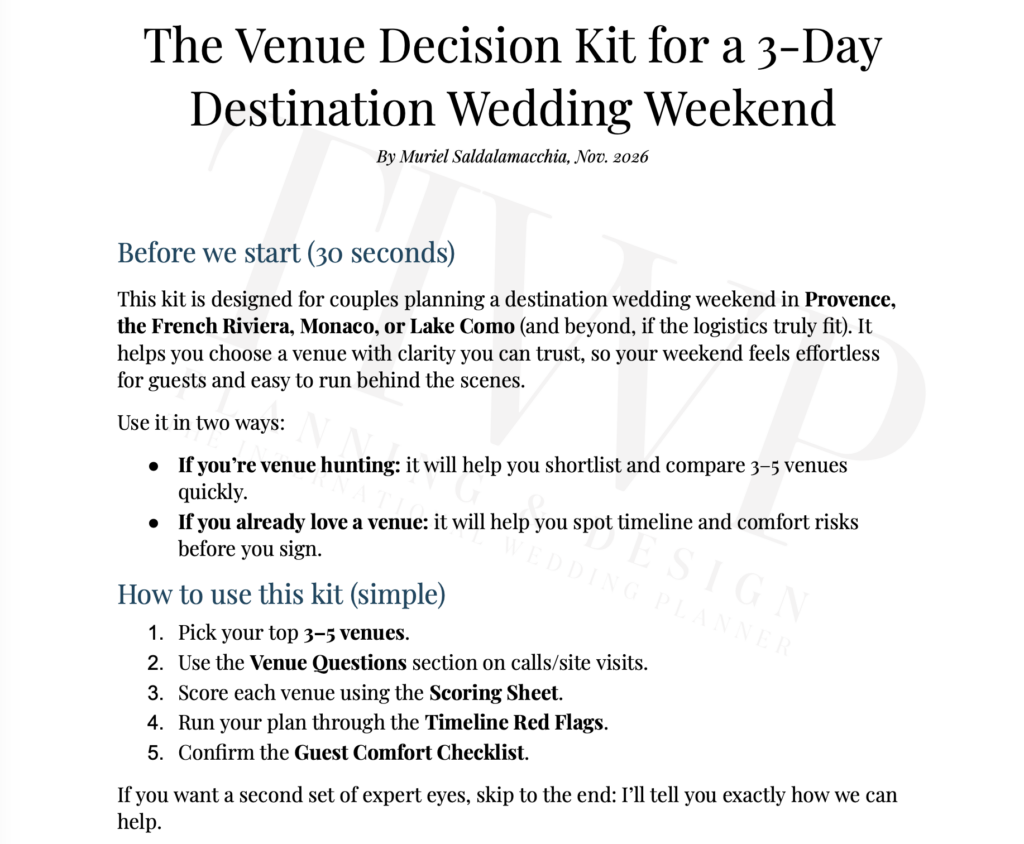
Want to make this decision faster (and avoid expensive mistakes)?
Grab your copy: “The Venue Decision Kit for a 3-Day Destination Wedding Weekend”
- The exact questions we ask venues before you sign
- A scoring sheet to compare 3–5 venues
- Timeline red flags to catch early
- Guest comfort checklist (the details people remember)